General Meaning
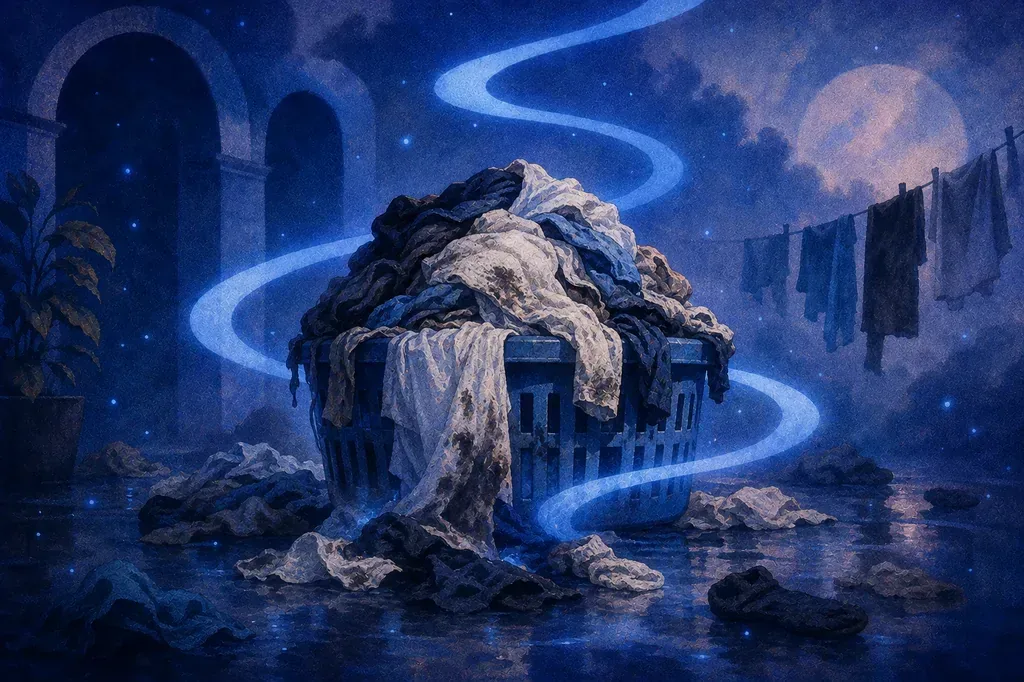
Dreaming of dirty clothes often suggests a subconscious concern with personal image, unaddressed issues, or feelings of unworthiness. This symbolism points to areas where you might feel exposed, burdened by past actions, or in need of inner cleansing and renewal, inviting reflection on your current state of being.
Your Dirty Clothes Dream Is Trying to Tell You Something...
Reveal your dream's meaning using the power of AI
Feelings of Shame or Guilt
Dirty clothes can symbolize aspects of yourself or past actions that you perceive as flawed or shameful. This might reflect a hidden guilt that you carry, suggesting a need for self-forgiveness or resolution.
Neglected Self-Care or Personal Issues
The state of the clothes could represent areas of your life or emotional well-being that have been overlooked or allowed to deteriorate. This theme encourages you to consider where you might be neglecting your inner needs or avoiding necessary personal work.
Vulnerability to External Judgment
Wearing dirty clothes in a dream can highlight anxieties about how you are perceived by others or a fear of being exposed. This suggests a sensitivity to external scrutiny and a desire to present a clean, acceptable image to the world.
Symbolic Intersection
The symbolism of "dirty clothes" goes beyond simply dreaming of clothes or dirt in isolation. Clothes fundamentally represent your identity, how you present yourself to the world, and the roles you embody. When these garments appear dirty, it profoundly shifts their meaning, indicating a fundamental compromise or challenge to your self-image or public persona. The dirt itself signifies a perceived flaw, a burden, or an unaddressed inner state that is now overtly (or covertly) impacting your presentation.
This merging suggests that what you project outwards, or how you internally view your own worth, feels tarnished or compromised. It's not merely about an external mess, but an internal one that has manifested on the very fabric of your being or identity. The dream invites a deep self-examination into areas where you might feel defiled, inadequate, or burdened by something that feels difficult to shed or clean.
Want to know more about this dream?
Understand what this dream really means for you, in the unique context of your life and personality. Record all the details of your dream, unlock personalized AI analysis, track your dreams over time, and much more inside the Mirror app.
Dive Deeper with the AppSpecific Considerations
Take into account the specific details of your unique dream.
Narrative
How did the clothes become dirty in your dream? Were they already dirty when you found them, did you get them dirty yourself, or did someone else soil them? Your role in the dirtiness could indicate whether you feel responsible for current perceived flaws or if they are external influences.
People
Who else was present in the dream when you noticed the dirty clothes, and how did they react? The presence and reactions of others can reflect your anxieties about social judgment or how certain relationships contribute to your feelings of being 'unclean' or unworthy.
Places
Where were you when you were wearing or dealing with the dirty clothes? Was it a public setting, a private space, or a significant location from your past? The setting can highlight whether these feelings of unworthiness or neglect are tied to your public life, personal space, or unresolved memories.
Emotions
What emotions did you experience in the dream regarding the dirty clothes – embarrassment, shame, indifference, anger, or sadness? Your emotional response can be a direct indicator of how deeply these feelings of defilement or inadequacy impact your waking emotional state.
Other Details
Were there specific types of dirt or stains on the clothes, or were they torn or worn in addition to being dirty? The nature of the dirt (e.g., mud, oil, blood) or additional damage could offer further clues about the specific issues or experiences that contribute to your feelings of being compromised.
Psychological Meaning
Explore your dream from various psychological perspectives.
Jungian Perspective
From a Jungian perspective, dirty clothes could symbolize aspects of the shadow self that have been neglected or are consciously repressed. The shadow contains all the parts of ourselves we deem unacceptable and hide, but which, when ignored, can project onto our outer life. This dream could suggest that these unacknowledged aspects are now demanding attention, potentially appearing as feelings of shame or impurity that affect your persona, the social mask you present to the world.
Freudian Perspective
A Freudian interpretation might view dirty clothes as a manifestation of unconscious guilt or repressed desires that are perceived as "unclean" or socially unacceptable. The dream could symbolize a defilement or a transgression, perhaps linked to early childhood experiences or societal taboos. This perspective suggests a conflict between primitive urges and the internalized moral standards, leading to feelings of anxiety or a need for psychological cleansing.
Adlerian Perspective
From an Adlerian viewpoint, dreaming of dirty clothes might relate to feelings of inferiority or a perceived lack of social interest. It could symbolize a struggle with self-worth or a feeling of being inadequate in comparison to others, impacting your striving for significance. This dream could be an invitation to reflect on your current goals and how feelings of personal "dirtiness" might be hindering your ability to connect with others or contribute effectively to your community.
Gestalt Perspective
The Gestalt perspective emphasizes integrating all parts of the self to achieve wholeness. Dirty clothes in a dream could represent unacknowledged or unfinished experiences that are preventing you from being fully present and authentic. These might be aspects of your self-image or past interactions that you have pushed away, but which are still energetically present, creating a sense of fragmentation or dis-ease within your current self-perception.
Cognitive Perspective
A cognitive behavioral approach would focus on the thought patterns and core beliefs associated with the dirty clothes. This dream could reflect negative automatic thoughts about your self-worth, competence, or social acceptance. It might highlight underlying schemas such as "I am unworthy" or "I am flawed," which are manifesting as the dirty garment, influencing your emotional responses and behaviors in waking life.
Symbolic Meaning
Reflect on symbolic parallels in mythology.
The Tainted Garment in Greek Tragedy
In numerous Greek tragedies, a "tainted garment" often serves as a powerful symbol of irreversible fate, moral corruption, or a curse that cannot be washed away. For instance, in Sophocles' Trachiniae, Deianira unwittingly sends Heracles a poisoned tunic, leading to his agonizing death, symbolizing how an act, even if well-intentioned, can bring about inescapable defilement and destruction. This myth speaks to the profound impact of actions and circumstances that stain one's very essence or destiny.
Reflection for the dreamer: This myth could suggest that you are grappling with a situation or a feeling that feels inescapable, a "stain" that seems to define a current phase of your life or a past event. It invites you to reflect on whether you perceive certain aspects of your life or self as irrevocably tainted, and how such a perception might be influencing your sense of agency and future.
The Parable of the Wedding Garment
From the New Testament (Matthew 22:1-14), the Parable of the Wedding Garment describes a king who invites many to his son's wedding feast. One guest arrives without a proper wedding garment and is cast out. While not explicitly "dirty," the lack of appropriate attire symbolizes a state of unpreparedness, unworthiness, or a spiritual "dirtiness" that makes one unfit for a sacred occasion. It highlights the importance of inner readiness and spiritual purity for significant life events or divine favor.
Reflection for the dreamer: This parable could suggest a subconscious concern about your readiness or worthiness for an important transition, opportunity, or spiritual journey in your life. It encourages you to reflect on whether you feel adequately prepared, both internally and externally, for the "feast" or significant event that may be unfolding in your waking life, and what steps might be needed to achieve a sense of inner "cleanliness" or readiness.
The Dirty Robes of Ascetics and Renunciates
Across various spiritual traditions, including Buddhism, Hinduism, and early Christian monasticism, ascetics or renunciates often wear simple, often dirty or patched robes, deliberately eschewing clean, new garments. This choice symbolizes a rejection of worldly vanity, material attachment, and societal status, embracing humility, non-possessiveness, and a focus on inner spiritual development over outward appearances. The "dirtiness" here is a deliberate statement against the illusion of the material world.
Reflection for the dreamer: This symbolic tradition could suggest a deeper yearning within you to shed societal expectations, material concerns, or a false persona that no longer serves your spiritual growth. It invites you to consider if the "dirty clothes" in your dream represent a subconscious desire to embrace a more authentic, humble self, free from the pressures of external judgment, or to find value in what society might deem "unpolished."
Spiritual Meaning
How different spiritualities view this dream.
Biblical
In biblical contexts, dirty or torn clothes often symbolize mourning, repentance, humility, or ritual impurity due to sin or defilement. Wearing sackcloth and ashes was a sign of deep sorrow and contrition, indicating a spiritual state in need of cleansing or forgiveness. Dreaming of dirty clothes might reflect a subconscious acknowledgment of spiritual shortcomings, a need for purification, or a call to humble yourself before a higher power.
Islamic
In Islam, purity (tahara) is paramount, both physically and spiritually. Dirty clothes would signify a state of ritual impurity (najasa) that would prevent one from performing prayers or engaging in sacred acts. This dream could symbolize a spiritual blockage, a need for inner cleansing, or a reflection of areas in your life where you feel spiritually compromised or distant from divine guidance, emphasizing the importance of both outward and inward cleanliness.
Buddhism
From a Buddhist perspective, dirty clothes could represent the kleshas, or mental defilements, such as greed, hatred, and ignorance, which obscure the true nature of the mind. The dream might be a reflection of these attachments and impurities that cling to your consciousness, hindering your path to enlightenment. It encourages a process of mindfulness and self-awareness to identify and gradually cleanse these mental "stains."
Universal Spiritual Themes
Universally, dirty clothes can symbolize a transition, a shedding of old identities, or a period of vulnerability before renewal. It often points to a need for purification – whether emotional, mental, or spiritual – to release burdens and prepare for a fresh start. This dream could be an invitation from your deeper self to embark on a journey of inner cleansing, acknowledging imperfections as a step towards transformation and authentic self-expression.
Waking Life Reflection
Connect your dream to your waking life.
• Consider what aspects of your public image or self-perception feel tarnished or compromised right now. What might be the source of these feelings?
• Reflect on any areas in your life where you feel you have neglected your emotional well-being or personal responsibilities. What steps could you take to address these?
• Think about situations where you might feel vulnerable to the judgment of others. How much do external opinions influence your sense of self-worth?
• Explore if there are any past actions or decisions that still evoke feelings of guilt or shame within you. Is there a way to seek forgiveness (from yourself or others) or make amends?
• What does "cleanliness" or "purity" mean to you in a spiritual or emotional sense? What practices or habits could help you cultivate more of this in your daily life?
• Are you holding onto old beliefs or roles that no longer serve you, much like worn-out or dirty clothes? What might it feel like to shed them?
Explore the Dream Encyclopedia
Dive into the encyclopedia to learn more about dreams.
Interpretation Guide
How to Interpret Your Dreams: A Step-by-Step Guide
Evidence-based psychological techniques to decode dream symbols, recurring motifs, and emotional narratives.
Read Guide →
Journaling Habits
How to Start a Dream Journal: Complete Beginner Guide
Proven morning rituals to eliminate grogginess, capture vivid details, and organize your subconscious reflections.
Read Guide →
Lucid Dreaming
How to Lucid Dream: The Complete Guide for Beginners
Step-by-step MILD and WBTB methods to achieve conscious awareness and direct your dreamscape safely.
Read Guide →
Jungian Psychology
Carl Jung's Dream Interpretation: Theory, Method & Symbols
How Jungian depth psychology reveals the shadow self, collective unconscious, and universal archetypes.
Read Guide →
Psychoanalysis
Freud vs. Jung on Dreams: Key Differences Explained
Understanding the contrast between Freud's wish-fulfillment model and Jung's holistic compensation theory.
Read Guide →
AI & Neuroscience
Can AI Interpret Dreams? Machine Learning in Dream Analysis
How natural language processing and neural networks map subconscious symbolism against clinical dream models.
Read Guide →